The answer depends entirely on your city — and getting it wrong can mean fines, forced repairs, and legal liability. We've read the municipal codes so you don't have to.
Municipal approaches fall into three basic models — and knowing yours is step one.
The adjacent property owner must maintain, repair, and pay for all sidewalk work — even if the damage was caused by a city tree or aging infrastructure. Cities like Los Angeles (post-2016), Houston, and Atlanta follow this model. Failure to comply after a notice results in the city completing work and billing the owner.
How this works →A smaller number of cities — including Chicago and some Northeast cities — generally maintain sidewalks from public funds. Homeowners are usually expected to report damage, not fund it. Rules for tree root damage and private causes vary significantly even within this model.
Which cities? →Cost-sharing programs split repair costs between the city and the homeowner — often 50/50 or 75/25. Seattle, Denver, San Jose, and Sacramento have operated formal programs. Eligibility requirements, application windows, and funding limits vary by city and year.
Find your program →Enter your city and notice date to find out your exact repair deadline, what happens if you miss it, and what to do next.
All tools are free, run in your browser, and require no sign-up.
Select your city for a full breakdown of local ordinances, notice timelines, fine amounts, and available programs.
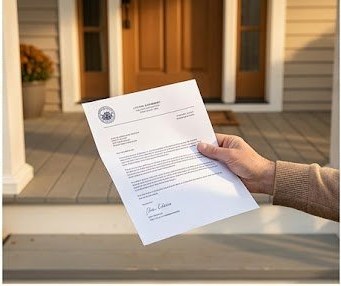
Step-by-step from the moment you open the envelope — deadlines, documentation, contractor bids, and what to do if you can't afford the repairs.
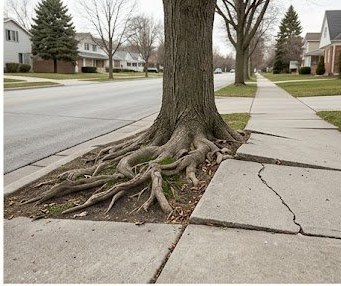
Read guide →Whether it's a city tree, neighbor's tree, or your own — the answer varies dramatically by city. Full breakdown with city-specific examples.
Read guide →Which cities will split the bill with you — and how to apply before funding runs out. Includes program status, eligibility, and application links.
Read guide →If the damage wasn't your fault, you may have grounds to challenge the notice. Here's how to formally dispute and what evidence to gather.
Read guide →In planned communities and gated neighborhoods, the rules flip. Full explanation of HOA jurisdiction, private street rules, and how to find out who's responsible.
Read guide →When you repair a sidewalk, ADA accessibility standards may kick in — requiring curb cuts, cross-slopes, and detectable warning surfaces.
Read guide →Who's on the hook when a tenant's rental property gets a sidewalk notice — and what leases typically say about maintenance obligations.
Read guide →The city doesn't forget. Here's exactly what happens after the deadline — liens, forced repairs, premium billing, and long-term consequences.
Read guide →Download, print, and use. No email required.
7-step action plan from notice date to final sign-off. Includes deadline tracking, contractor question list, and documentation log.
Side-by-side comparison form for getting and evaluating sidewalk repair bids. 12 questions every contractor should answer.
Fill-in-the-blank template for formally challenging a sidewalk repair notice when the damage was caused by city infrastructure, not your property.
It depends entirely on your city. In most major U.S. cities — including Los Angeles, Houston, New York, and Philadelphia — the adjacent property owner (you) is legally responsible for maintaining and repairing the public sidewalk in front of your home. In some cities, like Chicago and Baltimore, the city handles most repairs. Use our city lookup to find your specific rules.
Yes — in most cities that use the property-owner model, you are responsible for repairs regardless of how the damage occurred. Even if a city-owned tree's roots heaved the concrete, or the damage was there when you bought the house, the obligation typically runs with the property. Some cities (notably Los Angeles) have specific programs for city-tree damage — check your city's guide for details.
The most common timeframes are 30, 60, or 90 days. The clock usually starts from the date the notice is posted or mailed. Some cities allow extensions if you can demonstrate contractor scheduling issues or financial hardship. See our deadline calculator and notice response guide for your specific city's process.
Many cities do — including Seattle, Denver, San Jose, Sacramento, Portland, and others. These programs typically cover 50–75% of repair costs for eligible homeowners. Programs open and close based on available funding. See our complete cost-sharing guide for current program status by city.
The city will typically complete the repairs themselves, then bill you — often at a higher-than-market rate. If you don't pay that bill, it can be placed as a lien on your property. In some jurisdictions, fines accumulate daily after the deadline. See our full guide: What Happens If You Ignore a Sidewalk Notice.